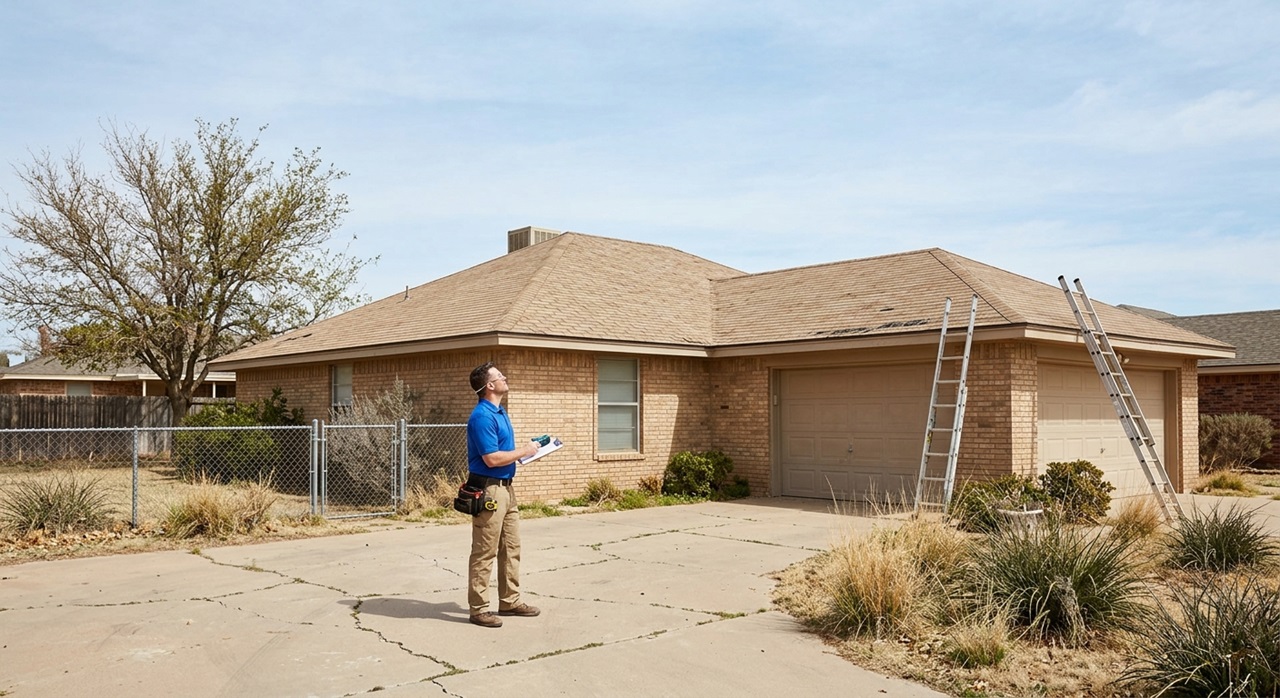
Composition shingles are widely used on residential roofs because they are available in different styles and product specifications. However, exposure to hail, strong winds, intense sunlight, and seasonal weather changes can gradually affect their condition. Homeowners researching composition shingle roofing Lubbock TX should understand the warning signs that may indicate a need for roof repair, a professional inspection, or complete replacement.
Some roofing problems are easy to notice, such as missing shingles or water stains on a ceiling. Others, including certain types of storm damage and deterioration beneath the visible surface, may require a closer evaluation.
Recognizing these signs early can help homeowners understand their roofing needs, plan appropriate repairs, and reduce the risk of moisture-related damage to other parts of the home.
Quick Answer
A composition shingle roof may need professional attention when homeowners notice missing shingles, curling edges, granule loss, recurring leaks, visible storm damage, or widespread deterioration.
Common warning signs include:
- Missing, cracked, or displaced shingles
- Excessive granules collecting in gutters
- Curling or lifting shingle edges
- Water stains on ceilings or walls
- Damaged flashing around roof penetrations
- Recurring leaks after previous repairs
- Visible damage following hail or strong winds
- Widespread aging across the roof
These signs do not automatically mean the entire roof needs replacement. A professional inspection can help determine whether localized repairs are sufficient or a new roofing system should be considered.
Key Takeaways
- Composition shingles can deteriorate from weather exposure, aging, and installation-related problems.
- Hail and wind can damage roofing materials even when the damage is not obvious from the ground.
- Granule loss, curling, cracks, and missing shingles may indicate a need for inspection.
- Interior water stains can signal a roofing problem, but the source may be located away from the visible stain.
- Localized damage may be repairable when the surrounding roof remains in suitable condition.
- Extensive deterioration or repeated repair problems may justify evaluating replacement.
- Professional inspections provide a better basis for roofing decisions than appearance alone.
Why Do Composition Shingle Roofs Need Attention in Lubbock TX?
Composition shingle roofs are exposed to environmental conditions throughout the year. In Lubbock and the surrounding South Plains, hail, strong winds, high temperatures, and heavy rainfall can affect roofing materials and reveal weaknesses in installation or maintenance.
The National Weather Service Lubbock forecast office provides regional forecasts and severe weather information relevant to the area.
Several local conditions deserve particular attention.
Hailstorms
Hail can bruise, crack, or dislodge roofing materials depending on the size of the hail, wind conditions, shingle characteristics, and the existing condition of the roof.
Damage may not always appear as an obvious hole or missing shingle. A professional inspection can help determine whether the impact has affected the roofing material’s condition.
Strong Winds
Wind can lift shingle edges, loosen individual shingles, and damage roof edges or flashing. Missing shingles may expose underlying components to additional weather exposure.
Wind-related problems can also occur around roof transitions and penetrations.
Heat and Sunlight
Prolonged sunlight and heat contribute to the natural aging of roofing materials. Over time, some shingles may lose flexibility, develop cracks, or show other signs of deterioration.
The rate of aging depends on product specifications, installation quality, ventilation, exposure, and maintenance.
Heavy Rainfall
Rain can expose weaknesses in damaged shingles, flashing, roof valleys, and other areas where water must be directed away from the structure.
A roof does not need to have obvious missing shingles to develop a leak. Water may enter through a vulnerable joint or deteriorated component.
What Are the Most Common Signs of Composition Shingle Roof Damage?
Understanding common warning signs can help homeowners recognize when a roof should be evaluated.
1. Missing or Displaced Shingles
Missing shingles are among the clearest signs that a roof may need attention.
Wind, storm damage, deteriorated fastening, or installation problems can cause shingles to loosen or become displaced.
When the protective surface is compromised, underlying roofing components may become more exposed to rain and sunlight.
Homeowners should avoid climbing onto the roof to investigate missing shingles. A professional can evaluate the affected area and determine whether nearby shingles or flashing also need attention.
2. Curling or Lifting Shingle Edges
Shingles may curl, lift, or become distorted as they age or experience prolonged environmental exposure.
Possible contributing factors include:
- Material deterioration
- Installation problems
- Ventilation concerns
- Weather exposure
- Previous damage
Curling shingles may be more vulnerable to wind and water intrusion. The significance depends on how widespread the condition is and whether the surrounding roofing system remains sound.
3. Excessive Granule Loss
Composition shingles commonly have a granular surface that helps protect the underlying asphalt from environmental exposure.
Some granule loss can occur naturally over time. However, substantial or uneven granule loss may indicate aging, impact damage, or other deterioration.
Potential warning signs include:
- Large accumulations of granules in gutters
- Noticeably bare areas on shingles
- Uneven surface wear
- Granule loss associated with other visible damage
Granules in a gutter do not automatically mean the roof needs replacement. The roof’s age, material condition, and overall pattern of wear should also be considered.
4. Cracked or Broken Shingles
Cracks and broken sections can develop because of weather exposure, physical impact, material aging, or installation-related issues.
Damaged shingles may allow water to reach underlying layers, especially when cracks occur near vulnerable roof areas.
The appropriate repair depends on the location and extent of the damage, the condition of surrounding shingles, and whether other roofing components are affected.
5. Water Stains on Ceilings or Walls
Brown or yellow stains, peeling paint, and recurring moisture marks can indicate water intrusion.
However, the visible stain may not be directly beneath the entry point. Water can travel along decking, framing, or other building components before reaching the interior.
Homeowners should arrange an inspection when they notice:
- New ceiling stains
- Peeling paint near the ceiling
- Recurring damp areas
- Dripping water after rainfall
- Musty odors associated with suspected moisture
Prompt evaluation can help identify the source before additional materials become affected.
6. Damaged Flashing or Roof Penetrations
Flashing helps direct water away from vulnerable joints around chimneys, vents, walls, valleys, and other roof intersections.
Deteriorated flashing, failed seals, or damaged penetrations may allow water to enter even when the surrounding shingles appear to be in good condition.
An inspection should evaluate the complete area around the suspected leak rather than focusing exclusively on the shingles.
How Can You Tell Whether Hail Damaged a Composition Shingle Roof?
Hail damage can be difficult to evaluate without experience, particularly when the roof remains intact and there are no immediate leaks.
Potential indicators include:
- Impact-related damage to shingle surfaces
- Cracked or broken shingles
- Damage to roof vents and other exposed components
- Related damage to gutters or exterior features
- New leaks following a severe storm
Not every mark on a shingle is hail damage. Roofing materials may also show normal wear, manufacturing characteristics, or damage from other causes.
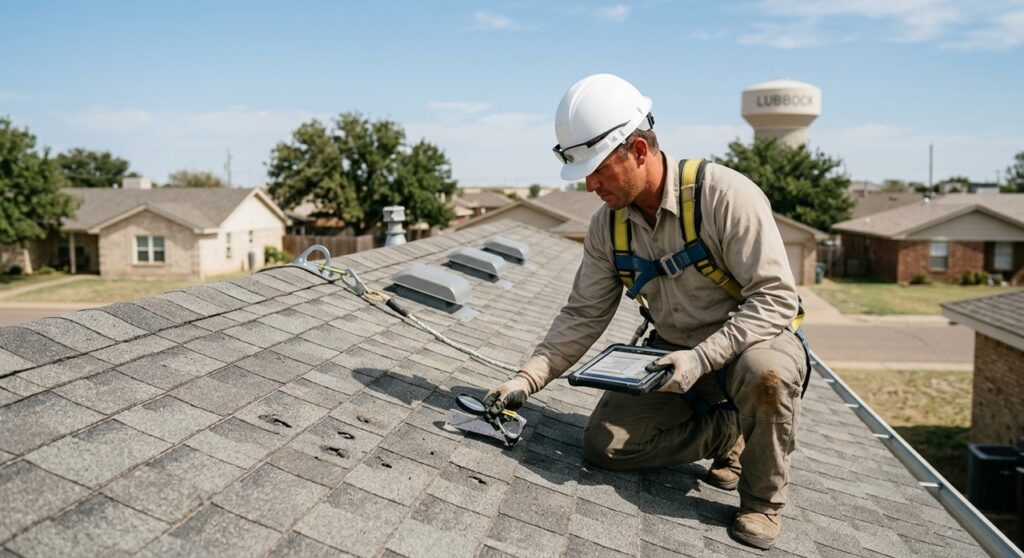
A professional inspection can help distinguish between these possibilities and document observed conditions.
What Should Homeowners Do After a Hailstorm?
After a significant storm, homeowners should:
- Check the property from a safe location.
- Photograph visible damage when possible.
- Record the approximate storm date.
- Note any new leaks or interior stains.
- Arrange a professional roof inspection.
- Keep inspection reports and repair estimates.
- Review relevant insurance policy requirements.
The Texas Department of Insurance storm recovery guidance explains the importance of documenting damage and retaining records during storm recovery.
Roofing contractors can inspect and document physical damage. Insurance coverage decisions depend on the policy terms and the insurer’s claim process.
When Should You Repair or Replace a Composition Shingle Roof?
Not every damaged shingle requires complete roof replacement. The right decision depends on the extent of the damage, the roof’s age and condition, and the expected performance of the existing system.
When Is Roof Repair Appropriate?
Repair may be suitable when:
- Damage is limited to a small area.
- Surrounding shingles remain in serviceable condition.
- The underlying roof structure is sound.
- The cause of the problem can be corrected.
- The repair can restore reliable protection.
Examples include replacing missing shingles, correcting certain flashing problems, and addressing localized storm damage.
A contractor should also examine nearby components to determine whether the visible problem is part of a larger issue.
When Should Replacement Be Considered?
Replacement may be worth evaluating when:
- Shingles show widespread deterioration.
- Damage affects large portions of the roof.
- Repairs are becoming frequent.
- Previous repairs have repeatedly failed.
- The roof has reached the end of its useful service life.
- Underlying damage is extensive.
A professional inspection can help homeowners compare repair and replacement options based on the roof’s actual condition.
Why Does the Roof’s Age Matter?
Roof age provides useful context, but it should not be the only factor in the decision.
Two roofs of similar age can have different conditions because of material quality, installation, ventilation, weather exposure, and maintenance.
A contractor should explain the observed condition and the reasons for recommending repair or replacement rather than relying solely on an estimated installation date.
How Should Homeowners Choose a Composition Shingle Roofing Contractor?
Selecting a contractor is an important part of maintaining a residential roof.
Ask About Relevant Experience
Ask whether the contractor has experience with composition shingles, storm-related repairs, flashing problems, and full roof replacements.
Experience with similar roofing systems can help the contractor identify appropriate repair methods and material requirements.
Request a Written Estimate
A written estimate should explain:
- The identified problem
- Recommended work
- Materials to be used
- Labor and associated costs
- Any necessary additional repairs
- Cleanup arrangements
- Warranty details, where applicable
Clear documentation helps homeowners understand the proposed solution.
Compare the Scope of Work
Two estimates may differ because they include different materials or repair allowances.
Before comparing prices, confirm whether each proposal covers the same work and whether any important items have been excluded.
Understand the Warranty
Material warranties and workmanship warranties may cover different issues. Homeowners should review coverage terms, exclusions, maintenance requirements, and procedures for addressing future problems.
How Can Homeowners Maintain a Composition Shingle Roof?
Regular maintenance helps homeowners monitor the roof’s condition and identify potential problems before they become more extensive.
Useful practices include:
- Checking for visible damage after severe storms
- Keeping gutters and downspouts functional
- Watching for new interior water stains
- Addressing known leaks promptly
- Maintaining records of inspections and repairs
- Following manufacturer maintenance recommendations
- Scheduling professional evaluations when problems appear
Homeowners should avoid walking on the roof to conduct routine checks. Roof surfaces may be slippery, unstable, or damaged, and some defects are difficult to assess without appropriate training.
Inspection frequency depends on the roof’s age, condition, and exposure to severe weather.
Practical Checklist for Composition Shingle Roofing in Lubbock TX
Before deciding on repairs or replacement, homeowners can use this checklist:
- Identify visible damage from a safe location.
- Record any recent storms or recurring leaks.
- Review available roof age and maintenance records.
- Arrange a professional inspection.
- Ask the contractor to explain the cause of the damage.
- Determine whether the problem is localized or widespread.
- Compare repair and replacement options.
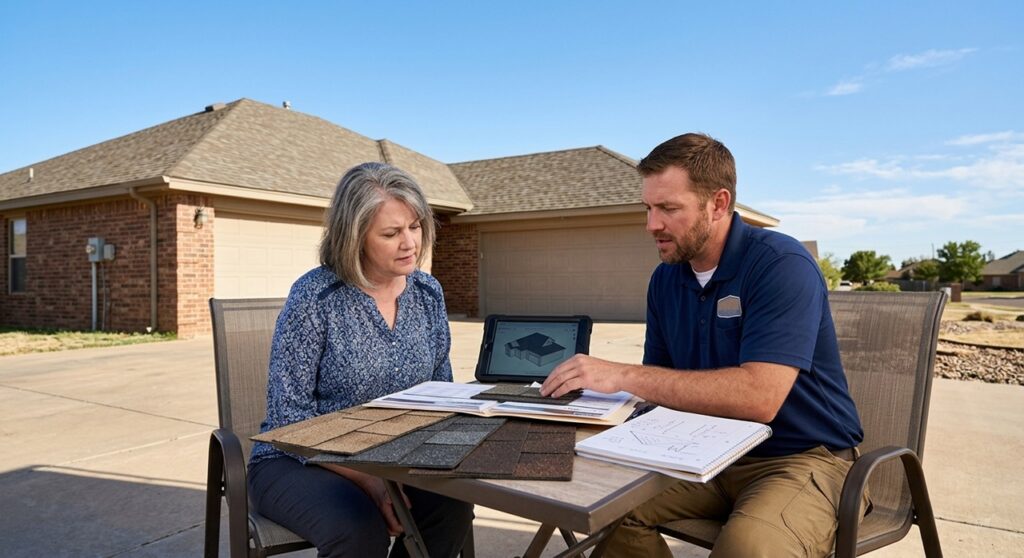
- Request a detailed written estimate.
- Review material specifications and warranty terms.
- Keep inspection reports, photographs, and receipts.
FAQ
What are the most common signs of composition shingle roof damage?
Common signs include missing shingles, curling edges, cracks, granule loss, damaged flashing, and interior water stains. Some damage may not be visible from the ground, so a professional inspection may be necessary.
Does granule loss mean a composition shingle roof needs replacement?
Not necessarily. Some granule loss occurs naturally, but substantial or uneven loss may indicate deterioration or damage. The roof’s overall condition, age, and other warning signs should be evaluated before deciding on replacement.
Can hail damage composition shingles without causing a leak?
Yes. Hail may damage roofing materials without immediately creating an opening that allows water inside. A professional inspection can help determine whether the roof has sustained damage that requires repair or further evaluation.
How do I know if my composition shingle roof needs repair or replacement?
Localized damage may be repairable when the surrounding roof remains in suitable condition. Extensive deterioration, recurring problems, or widespread damage may justify evaluating replacement. An inspection can help clarify the options.
How long does a composition shingle roof last in Lubbock TX?
Service life varies with product specifications, installation quality, maintenance, ventilation, and weather exposure. Homeowners should use the roof’s condition and manufacturer guidance rather than relying on a single lifespan estimate.
What should I do if my composition shingle roof leaks after a storm?
Document the problem from a safe location, protect belongings if possible, and arrange a professional inspection. Keep photographs, repair estimates, and related records. Avoid climbing onto a potentially damaged roof.
Final Thoughts
Composition shingle roofs can provide effective residential protection when properly selected, installed, and maintained. In Lubbock and across West Texas, hail, wind, sunlight, and rainfall make it important to monitor roof condition and address warning signs before problems become more extensive.
Missing shingles, granule loss, cracks, damaged flashing, and recurring leaks all warrant attention, but they do not automatically mean the entire roof needs replacement. A professional inspection helps establish the cause and extent of the damage and identify the most appropriate solution.
Homeowners evaluating repairs or replacement can explore composition shingle roofing Lubbock TX to learn more about the relevant roofing service options.