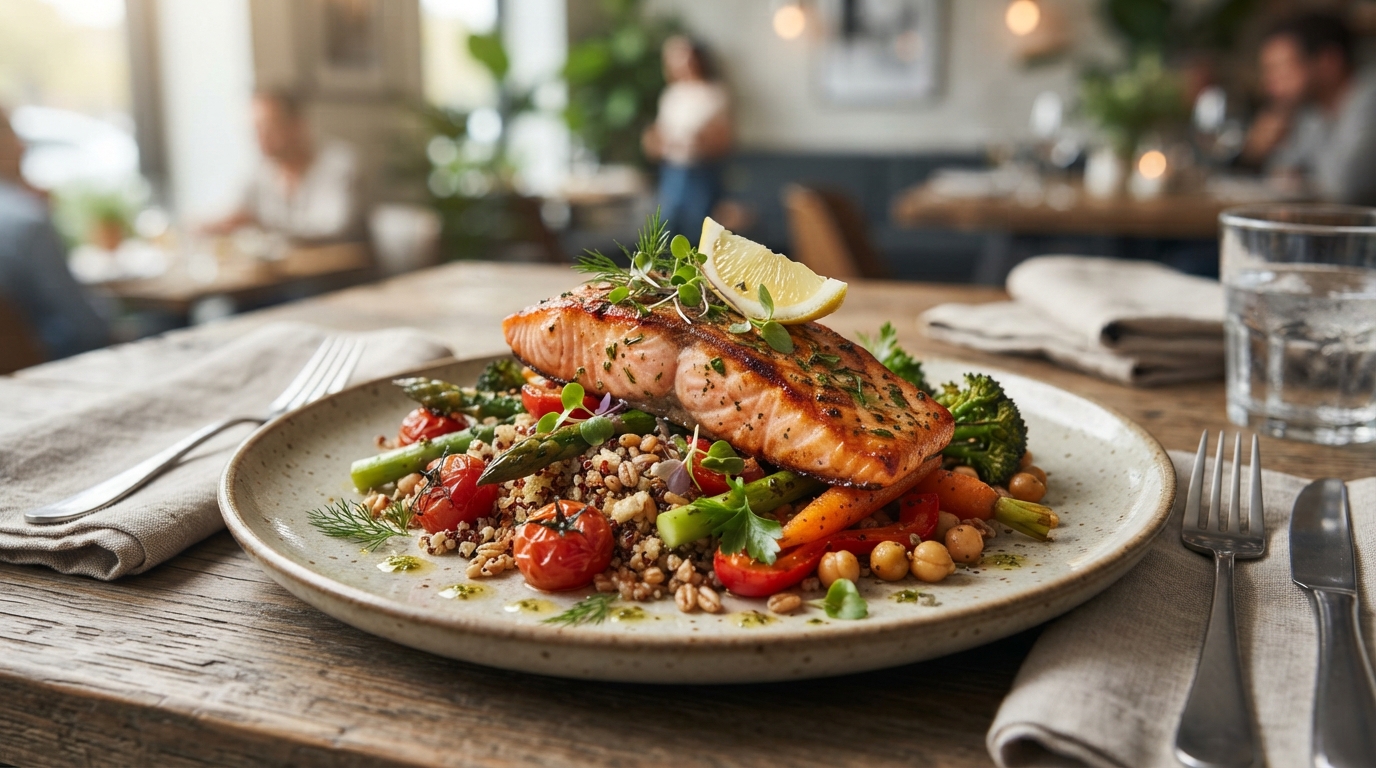
Healthy dining does not have to mean choosing bland food, small portions, or meals that feel unsatisfying. Modern restaurant menus often provide a wide range of options that combine quality ingredients, balanced portions, and flavorful preparation methods.
The idea of healthy restaurant dining has evolved beyond simple salads or steamed vegetables. Many diners now look for meals that include lean proteins, fresh vegetables, balanced carbohydrates, and thoughtful preparation while still delivering an enjoyable dining experience.
Choosing healthier restaurant meals often comes down to understanding ingredients, preparation methods, portion balance, and menu choices. With the right approach, diners can enjoy restaurant meals while staying aligned with their personal nutrition goals.
Key Takeaways
- Healthy restaurant meals can include a wide range of flavorful ingredients and cooking styles.
- Balanced meals typically combine protein, vegetables, carbohydrates, and appropriate portions.
- Preparation methods often influence the nutritional profile of a dish.
- Menu descriptions can help diners identify lighter or more balanced choices.
- Low-calorie meals do not have to sacrifice taste or satisfaction.
- Low-carb dining focuses on reducing carbohydrate-heavy ingredients while emphasizing protein and vegetables.
- Communication with restaurant staff can help customers make informed choices.
What Makes a Restaurant Meal Healthy?
A healthy restaurant meal is not defined by one specific ingredient or food category. Instead, it is usually based on how different components work together.
A balanced meal often includes:
- A source of protein
- Vegetables or fiber-rich ingredients
- Appropriate portions of carbohydrates
- Healthy preparation methods
- Flavorful seasonings and sauces
The goal is not necessarily to remove certain foods completely. Instead, many diners focus on creating meals that provide satisfaction while supporting their individual dietary preferences.
Healthy dining can look different depending on personal needs. Some people may prioritize lower calories, while others may focus on protein intake, carbohydrate management, ingredient quality, or portion control.
Why Healthy Restaurant Dining Has Changed
Restaurant dining has traditionally been associated with larger portions, rich sauces, and indulgent meals. While those options remain popular, many restaurants now recognize that customers want more flexibility.
Modern diners often look for:
- More vegetable-based options
- Lean protein choices
- Lighter preparation methods
- Nutritional transparency
- Flexible substitutions
This shift has encouraged restaurants to expand menus beyond traditional comfort foods and provide choices for different lifestyles.
How to Identify Healthy Restaurant Meals
Choosing a healthier meal at a restaurant often starts with understanding the menu.
Important factors include:
Ingredients
Look for meals that include:
- Fresh vegetables
- Lean proteins
- Whole ingredients
- Balanced portions
Cooking Methods
Preparation methods can significantly influence the final meal.
Common cooking styles include:
- Grilled
- Baked
- Roasted
- Steamed
- Pan-prepared
These options may provide different nutritional profiles compared with heavily fried or highly processed preparations.
Portion Balance
A satisfying meal does not always require the largest portion.
Balanced portions can help diners enjoy their food while maintaining awareness of their overall meal choices.
Why Flavor Matters in Healthy Dining
One common misconception is that healthier meals are automatically less flavorful.

In reality, flavor often comes from:
- Herbs
- Spices
- Fresh ingredients
- Cooking techniques
- Sauces
- Seasoning combinations
A meal can be nutritious while still being enjoyable when ingredients are prepared thoughtfully.
For example, grilled chicken with vegetables can offer a different experience depending on the seasoning, sauce, side dishes, and presentation.
How Restaurants Create Flavorful Healthy Meals
Restaurants can create satisfying healthier options by focusing on several areas.
Quality Ingredients
Fresh ingredients often provide stronger natural flavors.
Examples include:
- Fresh vegetables
- Quality proteins
- Herbs
- Seasonal ingredients
Balanced Seasoning
Flavor does not always require heavy ingredients.
Herbs, spices, garlic, citrus, and other seasonings can enhance meals while maintaining balance.
Thoughtful Preparation
Cooking techniques influence both taste and texture.
Grilling, roasting, and baking can create depth while allowing ingredients to maintain their natural characteristics.
How to Choose Healthy Restaurant Meals From a Menu
Menu descriptions often provide useful information about how a meal is prepared.
Look for descriptions that mention:
- Grilled
- Fresh
- Roasted
- Garden vegetables
- Lean protein
- Light preparation
Diners may also want to consider meals that combine several food groups rather than focusing on only one component.
For customers searching for healthy restaurant meals, reviewing menu categories before visiting can make it easier to identify options that match personal preferences.
What Are Low-Calorie Restaurant Meals?
Low-calorie restaurant meals are generally designed around reducing overall calorie intake while maintaining flavor and satisfaction.
This does not necessarily mean a meal must be small. A balanced low-calorie meal can include:
- Protein
- Vegetables
- Flavorful seasonings
- Appropriate portions
The focus is usually on choosing ingredients and preparation methods that provide satisfaction without unnecessary additions.
How to Choose a Low-Calorie Restaurant Meal
When selecting a lower-calorie option, consider:
Prioritize Protein
Protein can help create a more satisfying meal.
Common choices include:
- Chicken
- Seafood
- Lean meats
- Eggs
- Other protein sources
Add Vegetables
Vegetables can contribute:
- Color
- Texture
- Variety
- Nutritional value
Be Mindful of Extras
Some additions can significantly change the overall meal.
Consider:
- Heavy sauces
- Large portions of cheese
- Fried toppings
- High-calorie dressings
This does not mean these ingredients must always be avoided. Instead, awareness helps diners make choices based on their goals.
For diners looking specifically for a low calorie restaurant, menu variety and preparation style can be important factors when selecting meals.
How Low-Carb Dining Works in Restaurants
Low-carb dining focuses on reducing carbohydrate-heavy foods while emphasizing other components such as protein, vegetables, and certain fats.
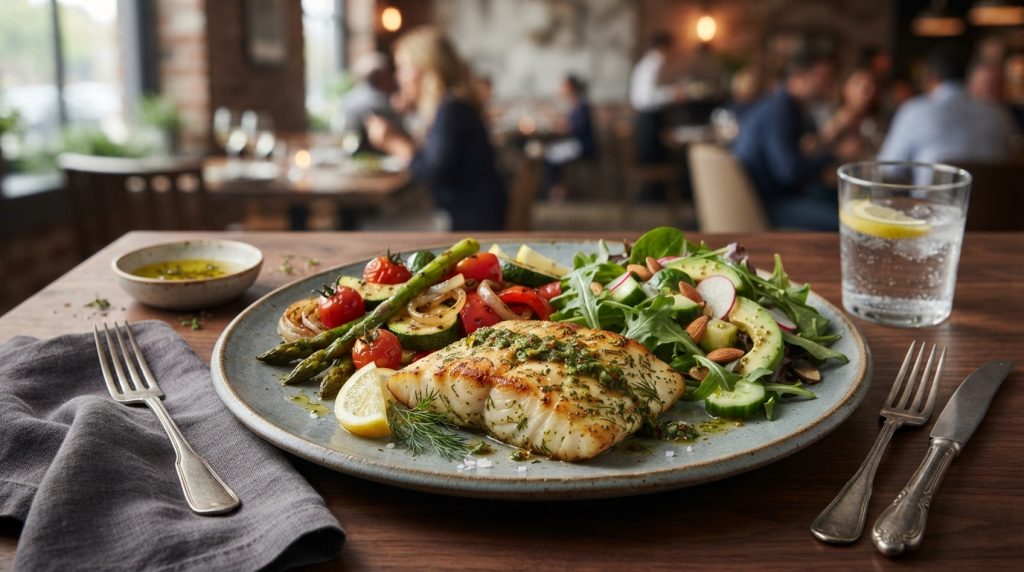
A low-carb meal may include:
- Grilled protein
- Vegetables
- Salads
- Lower-carbohydrate sides
The specific approach varies depending on individual preferences and dietary requirements.
How to Find Low-Carb Menu Options
Restaurants with flexible menus can make low-carb dining easier.
Customers may look for options such as:
- Protein-based entrees
- Vegetable sides
- Salad combinations
- Meals with customizable ingredients
For people exploring low carb menu options, understanding available substitutions and preparation methods can help create a meal that fits their preferences.
Healthy Dining Does Not Mean Removing Enjoyment
A healthy approach to restaurant dining should still include enjoyment.
Food provides more than nutrition. It also plays a role in:
- Social experiences
- Family gatherings
- Celebrations
- Personal enjoyment
A balanced approach allows diners to enjoy restaurant meals while making choices that align with their needs.
How to Balance Flavor and Nutrition When Dining Out
Finding the right balance often involves combining different meal components.
A practical approach:
| Meal Component | Balanced Choice Example |
| Protein | Grilled chicken, seafood, lean meat |
| Vegetables | Salad, roasted vegetables, fresh sides |
| Carbohydrates | Rice, pasta, potatoes in appropriate portions |
| Flavor | Herbs, spices, sauces used thoughtfully |
| Portion | Enough food to satisfy without unnecessary excess |
The goal is creating a meal that feels complete.
How Families Can Choose Healthier Restaurant Meals
Family dining often involves different preferences.
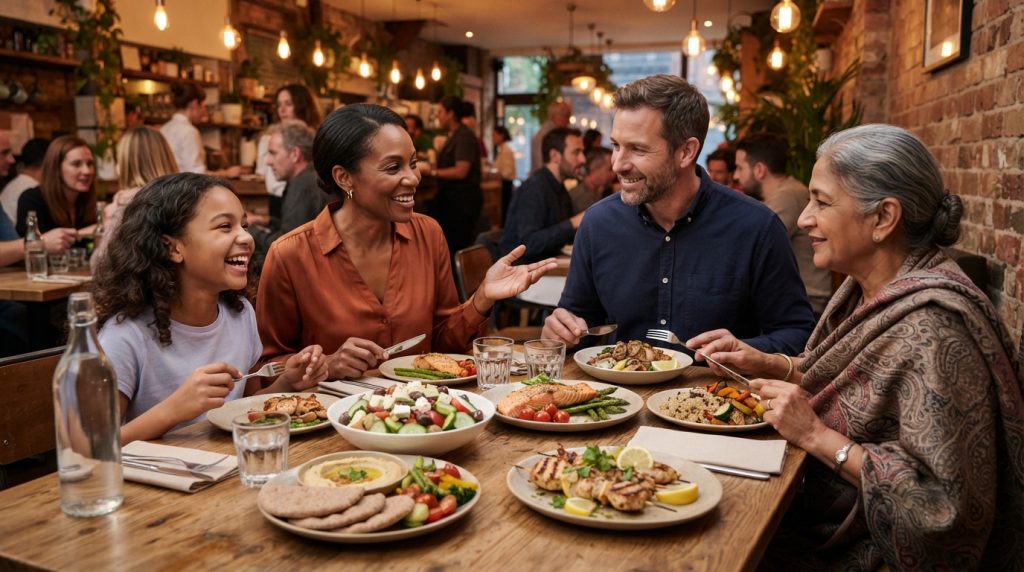
One person may prefer a lighter meal, while another may want a traditional entree. Restaurants with varied menus make it easier for everyone to find something suitable.
Families can consider:
- Menu variety
- Shared side dishes
- Different preparation styles
- Flexible ordering options
A restaurant does not need every person to order the same type of meal. Variety allows families to enjoy dining together while making individual choices.
How Healthy Dining Works for Different Occasions
Healthy restaurant meals can fit many dining situations.
Everyday Meals
For regular dining, diners may prefer balanced meals that fit their routine.
Business Lunches
A balanced meal can provide a comfortable option for professional settings.
Family Gatherings
A varied menu allows guests with different preferences to choose suitable meals.
Special Occasions
Healthy dining does not mean avoiding celebration meals. It means making choices that fit the occasion and personal goals.
How to Make Better Restaurant Choices Before Ordering
A little preparation can make restaurant decisions easier.
Before ordering, consider:
- Reviewing the menu
- Looking at ingredients
- Understanding preparation methods
- Asking questions when needed
- Considering portion sizes
Many restaurants provide online menus that allow customers to explore options before arriving.
The Role of Restaurant Transparency in Healthy Dining
Clear menu information helps customers make better decisions.
Helpful information includes:
- Ingredient descriptions
- Preparation details
- Available substitutions
- Dietary notes
Transparency benefits both customers and restaurants because it creates clearer expectations.
How Healthy Restaurant Meals Can Support Long-Term Habits
Healthy eating is often based on consistent choices rather than one individual meal.
Restaurant dining can fit into a balanced lifestyle when diners focus on:
- Variety
- Portion awareness
- Ingredient quality
- Enjoyment
- Personal preferences
A single meal does not define a person’s overall eating pattern. Long-term habits are created through repeated choices.
Frequently Asked Questions
What are examples of healthy restaurant meals?
Healthy restaurant meals can include grilled proteins, vegetable-based dishes, balanced salads, lighter pasta options, seafood, and meals prepared with fresh ingredients. The best choice depends on individual dietary preferences, nutritional goals, and portion needs.
Can healthy restaurant food still taste good?
Yes. Flavor often comes from cooking techniques, seasonings, fresh ingredients, herbs, spices, and balanced sauces. Healthy dining does not require removing flavor from a meal.
How do I choose a low-calorie meal at a restaurant?
Look for meals that include lean proteins, vegetables, and balanced portions. Pay attention to preparation methods and consider how sauces, toppings, and side dishes affect the overall meal.
What foods are common in low-carb restaurant meals?
Low-carb restaurant meals often include proteins such as chicken, seafood, or meat combined with vegetables, salads, or lower-carbohydrate sides. Available options depend on the restaurant menu and preparation methods.
Should I avoid eating at restaurants if I want to eat healthy?
No. Restaurants can provide many options that fit different dietary preferences. Reviewing menus, choosing balanced meals, and understanding ingredients can help diners make informed decisions.
Conclusion
Healthy restaurant dining is not about eliminating enjoyable foods. It is about understanding choices, balancing ingredients, and selecting meals that match individual preferences and goals.
Modern restaurants provide more flexibility than ever, with options ranging from lighter meals and vegetable-focused dishes to protein-rich entrees and customizable combinations.
Whether someone is looking for lower-calorie meals, reduced-carbohydrate choices, or simply a balanced dining experience, thoughtful menu selection can make restaurant meals both satisfying and aligned with personal priorities.