Ever wondered why your alpine ski boots feel different at lunch compared to first chair? The answer lies in something most skiers never think about: liner compression.
Your boot liners are constantly changing shape throughout the day, and it affects everything from comfort to control.
Here’s what actually happens inside your boots during those four hours on the mountain.
What Makes Ski Boot Liners Compress?
Your body heat, pressure from your feet, and movement all work together to change your boot liners.
The foam materials in liners aren’t static—they respond to warmth and weight by compressing and molding to your foot shape.
Most modern liners use EVA foam or memory foam. These materials compress about 15-30% of their original thickness during a typical ski day.
You’re applying roughly 200-300 pounds of pressure per square inch when you’re in an athletic skiing stance, which speeds up this process.
Hour-by-Hour: The Compression Timeline
First Hour (8:00 AM – 9:00 AM)
Your liners are cold and firm when you first buckle up. The foam hasn’t warmed yet, so you might feel pressure points or tight spots. This is normal.
During this first hour, your body heat starts warming the liner material. The foam begins softening and conforming to your foot’s unique shape. You’ll notice the fit getting more comfortable as the materials activate.
Compression rate: 5-8% of total daily compression happens here.
Second Hour (9:00 AM – 10:00 AM)
Now things get interesting. Your liners have warmed up fully, and the compression accelerates. The foam is most pliable during this period.
You might notice your buckles feel looser than when you started. Many skiers need to retighten their boots during this window. The liner material is molding around your ankle bones, heel cup, and toe box.
Compression rate: 40-45% of total compression occurs in hour two.
Third Hour (10:00 AM – 11:00 AM)
The compression rate slows down significantly. Your liners have adapted to your feet, and the fit stabilizes. You’re experiencing what boot fitters call the “sweet spot”—maximum comfort with optimal control.
Your feet have also warmed up, which causes slight swelling. This natural expansion counteracts some of the liner compression, creating a balanced fit.
Compression rate: 30-35% happens during this period.
Fourth Hour (11:00 AM – 12:00 PM)
Compression continues but at a much slower pace. Your liners are approaching their maximum compressed state for the day. Some skiers experience foot fatigue during this time, which can make boots feel tighter even though the liners are actually thinner.
Compression rate: 15-20% of total compression finishes here.
The Numbers Behind Liner Compression
Here’s a breakdown of typical compression measurements:
| Time Period | Liner Thickness Loss | Cumulative Compression | What You Feel |
| 0-1 hour | 1-2mm | 5-8% | Boots warming up, initial break-in |
| 1-2 hours | 3-4mm | 45-53% | Major compression, need to retighten |
| 2-3 hours | 2-3mm | 75-88% | Comfortable, stable fit |
| 3-4 hours | 1-2mm | 95-100% | Maximum compression reached |
Does Temperature Actually Matter?
Yes, dramatically. Liner compression happens 60% faster in temperatures above 25°F compared to below 10°F. Cold foam stays firmer longer, which explains why spring skiing feels different than January powder days.
Your body generates enough heat to warm liners regardless of air temperature, but external cold slows the process. On frigid days, expect slower initial compression and a longer “break-in” period each morning.
What About Different Liner Materials?
Not all liners compress equally. Here’s what you need to know:
EVA foam liners compress predictably and consistently. They pack out about 20-25% over a four-hour session and maintain this pattern throughout their lifespan.
Memory foam liners compress more initially (25-30%) but bounce back better overnight. They’re softer and more forgiving but offer less precise fit after compression.
Thermoformable liners hold their molded shape better, compressing only 10-15% during use. They’re heat-molded to your feet initially, so they start with a custom fit.
How This Affects Your Skiing Performance
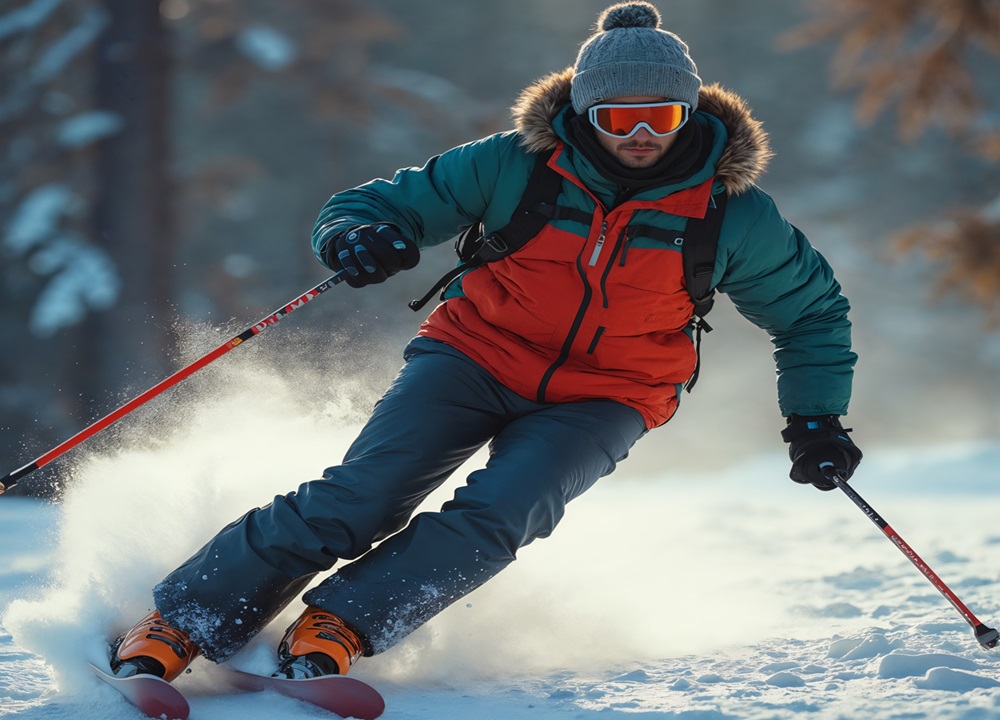
Liner compression directly impacts your control on skis. When your liner compresses, you lose some energy transfer from your legs to your skis.
Think of it like the difference between pushing on a firm surface versus pushing on a cushion.
Edge control becomes less precise as liners pack out. You need to work slightly harder to initiate turns and hold edges on firm snow. This is why racers often use stiffer, less compressible liners.
Your response time also changes. A compressed liner creates a small gap between your foot and the boot shell, adding milliseconds to your reaction time. For recreational skiing, this is barely noticeable. For aggressive skiers, it matters.
Can You Prevent Liner Compression?
You can’t stop it, but you can manage it. Buckle your boots in stages—snug but not tight for the first run, then retighten after 30-45 minutes.
This allows the liner to compress around your foot rather than creating pressure points.
Some skiers unbuckle between runs to let liners decompress slightly. This works but extends the time needed for liners to reach their optimal compressed state.
Quality liners bounce back about 60-70% overnight, which is why your boots feel tight again the next morning.
Cheaper liners only recover 40-50%, leading to faster permanent pack-out.
When Should You Replace Your Liners?
Most alpine ski boots need new liners after 80-120 ski days. You’ll know it’s time when your boots feel sloppy even when buckled tight, or when you’re cranking down buckles to the last notch every morning.
Permanent compression happens gradually. After about 40 days of skiing, your liners have compressed roughly 8-12% permanently.
By 100 days, that number jumps to 25-30%, which significantly affects boot fit and performance.
Frequently Asked Questions
Why do alpine ski boots feel different by lunchtime?
Ans: Because liner foam compresses from heat, pressure, and movement, changing shape throughout the morning and affecting comfort, fit, and control.
How much do ski boot liners compress during a typical day?
Ans: Most liners compress about 15–30% of their original thickness over four hours, with the majority happening in the second and third hours.
Does temperature affect liner compression?
Ans: Yes. Compression happens about 60% faster above 25°F, while colder temperatures slow initial softening and extend the morning break-in period.
How does liner compression impact skiing performance?
Ans: As liners compress, energy transfer decreases, edge control becomes less precise, and reaction time slightly slows due to small gaps inside the boot.
When should you replace liners in alpine ski boots?
Ans: Replace them after 80–120 ski days, or when boots feel sloppy and require maximum buckle tightness to maintain proper fit.