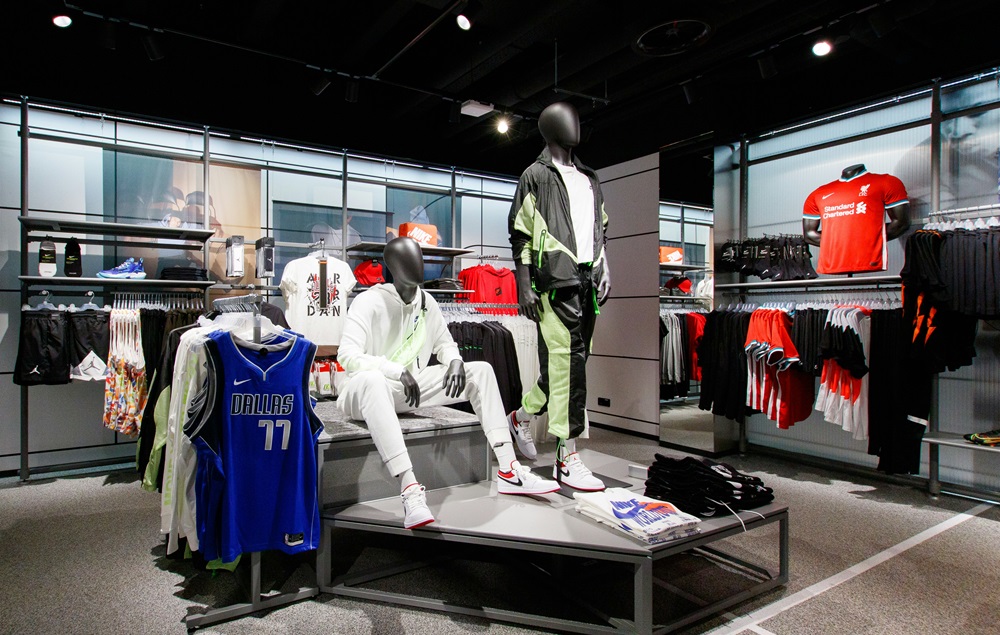
You found the perfect athletic gear at a thrift store, but now you’re wondering if it’s actually safe to wear.
Second hand sportswear can harbor bacteria, fungi, and stubborn odors that regular washing won’t eliminate.
The good news? With the right cleaning methods, you can make used athletic clothing as fresh and safe as new gear.
What Makes Athletic Clothing So Hard to Clean?
Athletic fabrics are designed to wick moisture and stretch with your body. This means they’re made from synthetic materials like polyester, nylon, and spandex that actually trap odors and bacteria more than natural fibers.
Research from the University of Alberta found that synthetic athletic fabrics can retain up to 90% more bacteria than cotton clothing, even after washing. The tight weave that makes these fabrics moisture-wicking also creates tiny pockets where sweat, dead skin cells, and bacteria accumulate.
Sports medicine experts note that used athletic wear can contain:
- Staphylococcus bacteria (including antibiotic-resistant strains)
- Fungal spores that cause athlete’s foot and ringworm
- Residual antiperspirants and deodorants
- Body oils that have oxidized and created persistent odors
How Do You Deep Clean Synthetic Athletic Fabrics?
Start with a pre-treatment that breaks down the protein-based stains and bacterial buildup that regular detergent can’t handle.
Mix one cup of white vinegar with two cups of cold water. Soak your second hand sportswear in this solution for 30 minutes. The acetic acid in vinegar dissolves mineral deposits from dried sweat and creates an environment where bacteria can’t survive.
After the vinegar soak, wash the items in the hottest water the fabric can handle. Check the care label, but most synthetic athletic wear can handle temperatures up to 140°F (60°C). Add your regular detergent plus half a cup of baking soda to neutralize any remaining acids and lift embedded odors.
Skip the fabric softener. It coats synthetic fibers and reduces their moisture-wicking ability while trapping more bacteria over time.
What Kills Bacteria That Washing Machines Miss?
Even hot water washing only eliminates about 80% of bacteria from athletic clothing. You need an antimicrobial treatment for complete sanitization.
Add half a cup of hydrogen peroxide (3% solution) to your wash cycle along with detergent. Hydrogen peroxide breaks down into water and oxygen, making it safe for synthetic fabrics while killing 99.9% of bacteria and viruses.
For items that can’t handle hot water, use a quaternary ammonium-based fabric sanitizer. These products are specifically designed for athletic wear and won’t damage moisture-wicking properties.
UV light also works as a natural disinfectant. After washing, hang athletic items in direct sunlight for at least two hours. UV radiation destroys bacterial DNA and helps eliminate any remaining microorganisms.
How Should You Dry Athletic Clothing to Prevent Future Odors?
Never put synthetic athletic wear in the dryer on high heat. The intense temperature can melt fibers and create permanent odor-trapping damage.
Air drying is your best option. Hang items in a well-ventilated area where air can circulate around all surfaces. Athletic fabrics dry quickly when there’s good airflow.
If you must use a dryer, choose the lowest heat setting and remove items while they’re still slightly damp. The residual heat will finish the drying process without damaging the fabric.
Sports clothing research from NC State University shows that items dried in humid conditions (like a closed bathroom) are 60% more likely to develop bacterial regrowth within 24 hours.
When Should You Skip Used Athletic Gear Entirely?
Some items aren’t worth the cleaning effort or health risk. Avoid buying used athletic wear if you notice:
- Permanent yellow or brown staining (indicates deep protein buildup)
- Fabric that feels stiff or waxy (sign of antiperspirant buildup)
- Items with visible mold or mildew spots
- Compression garments that have lost their elasticity
Athletic supporters, sports bras, and other intimate athletic wear carry higher contamination risks and are generally not recommended purchases used.
The Centers for Disease Control notes that shared athletic clothing has been linked to outbreaks of staph infections in team sports settings. While properly cleaned used gear is safe, some items simply can’t be adequately sanitized at home.
Frequently Asked Questions
Can you remove old sweat smells from athletic clothes?
Yes, but it requires breaking down the protein compounds that create the odor. Use an enzyme-based pre-treatment or the vinegar soak method described above before washing.
Is it safe to buy used athletic shoes?
Athletic shoes pose higher risks than clothing because they’re harder to sanitize completely. If you buy used athletic shoes, treat them with antifungal sprays and UV sanitizing before wearing.
How can you tell if athletic clothing is truly clean?
Clean athletic wear should have no detectable odor when damp and should feel soft and flexible, not stiff or waxy. If you notice any musty smells when the fabric gets wet, it needs additional cleaning.
What temperature water kills bacteria in athletic clothes?
Water temperatures above 140°F (60°C) kill most bacteria, but many synthetic athletic fabrics can’t handle temperatures above 104°F (40°C). Use antimicrobial additives for lower-temperature washing.
Should you wash used athletic gear separately?
For the first few washes, yes. This prevents cross-contamination with your other clothes and allows you to use stronger cleaning methods without worrying about color bleeding or fabric damage to other items.
With proper cleaning techniques, you can safely enjoy second hand sportswear while saving money and reducing textile waste.
The key is understanding that athletic fabrics need more intensive cleaning than regular clothing to eliminate the bacteria and odors that accumulate during sports activities.