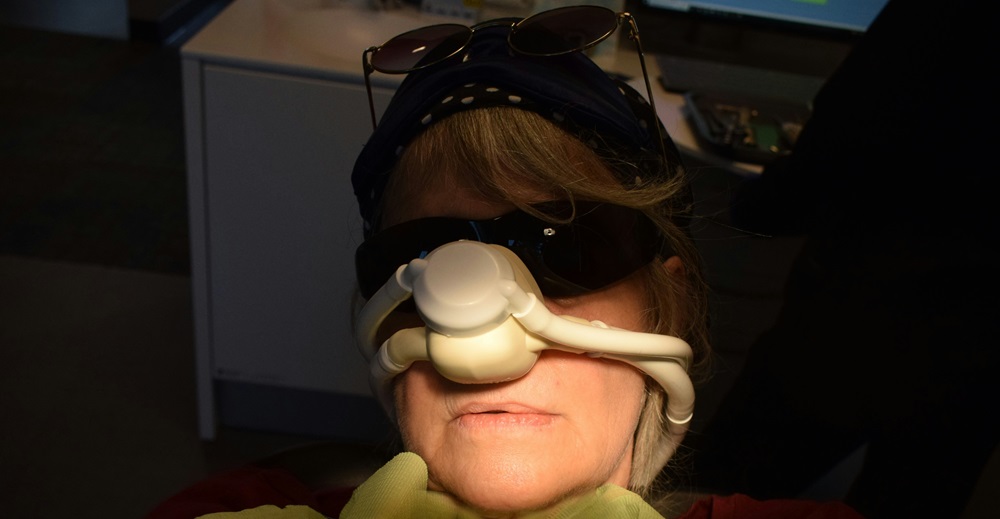
You’re not alone if the thought of wearing a nitrous oxide mask dental treatment makes you anxious.
About 36% of dental patients report some level of anxiety, and the mask itself can trigger claustrophobic feelings for many people.
The good news is that you have options beyond the traditional mask, and simple techniques can help you feel more in control during your appointment.
What makes the nitrous oxide mask feel uncomfortable?
The mask feels uncomfortable because it covers your nose and sometimes part of your face, creating a sensation of restricted breathing space. Your brain interprets this as a threat, even though you’re getting plenty of oxygen.
The standard mask sits snugly on your face to prevent gas leakage. When you’re already nervous about dental work, this close contact can intensify your anxiety. Some patients describe feeling like they can’t breathe freely, even though the gas mixture contains 50-70% oxygen, which is more than regular air.
Your body’s fight-or-flight response kicks in when something covers your airways. This is a normal survival instinct, not a weakness. The sensation becomes worse if you’ve had previous negative experiences with face coverings or tight spaces.
How can a nasal cannula replace the traditional mask?
A nasal cannula delivers nitrous oxide through two small prongs that fit just inside your nostrils. This method eliminates the covered-face feeling entirely.
The cannula works like the oxygen tubes you might see in hospitals. It’s lightweight, doesn’t touch your face, and lets you breathe normally through your mouth if needed. Many dental offices now offer this option specifically for patients who struggle with masks.
The effectiveness rate is nearly identical to masks when properly fitted. You’ll still get the same calming benefits without the claustrophobic sensation. The main difference is that cannulas require slightly higher flow rates to achieve the same sedation level, but your dentist adjusts this automatically.
What breathing techniques help during mask use?
Focused breathing through your nose calms your nervous system and reduces panic responses. Start by breathing in for four counts, holding for two, and exhaling for six counts.
This pattern activates your parasympathetic nervous system, which counteracts anxiety. Before your appointment, practice this technique at home while holding something over your nose. You’ll train your brain to stay calm in similar situations.
During treatment, concentrate on each breath individually. Don’t think about the next five minutes or the entire procedure. Just focus on the current breath going in and out. Many patients find this single-breath approach cuts their anxiety in half.
You can also try the 4-7-8 method: breathe in through your nose for four counts, hold for seven, and exhale through your mouth for eight. Repeat this three to four times when you feel panic rising.
Can you take breaks during nitrous oxide treatment?
Yes, you can absolutely ask for breaks, and most dentists expect nervous patients to need them. There’s no rule that says you must keep the mask on continuously.
A typical break works like this: your dentist removes the mask, you breathe regular air for one to two minutes, and then you decide when you’re ready to continue. The nitrous oxide leaves your system within three to five minutes, so you won’t lose all the calming effects from a brief pause.
Some dentists use a hand signal system. You raise your hand when you need a break, and they stop immediately. This gives you control over the situation, which often reduces anxiety more than the break itself.
Plan your breaks strategically. If you know a certain part of the procedure makes you more anxious, ask for a break right before it starts. This prevents panic from building up.
How does desensitization training work for mask anxiety?
Desensitization training gradually exposes you to the mask in a controlled way until your anxiety decreases. You start by just looking at the mask, then holding it, then bringing it close to your face over several sessions.
Here’s a basic progression you can try at home:
Week one: Look at pictures of nitrous oxide masks for five minutes daily. Week two: Hold a face mask (like a sleep mask) in your hands. Week three: Place the mask near your face without wearing it. Week four: Wear the mask for 10 seconds, then 30 seconds, then one minute.
Research shows that systematic desensitization reduces dental anxiety by up to 70% when practiced consistently. The key is going slowly and not forcing yourself past your comfort zone too quickly.
Your dentist might offer in-office desensitization during a consultation visit. You’ll sit in the chair, see the equipment, and try the mask with regular air before any actual treatment. This familiarization reduces surprises and gives you a sense of control.
What should you tell your dentist about your concerns?
Tell your dentist exactly what scares you about the mask before your appointment starts. Specific information helps them adapt their approach to your needs.
Say something like: “I feel panicked when things cover my face” or “I’m worried I won’t be able to breathe.” Don’t minimize your feelings or apologize. About 75% of dentists report that patients don’t communicate their anxiety clearly, which makes it harder to help.
Ask these specific questions:
- Do you have a nasal cannula option?
- Can we try the mask with regular air first?
- What’s your policy on breaks during treatment?
- Can I use a hand signal if I need to stop?
A good dentist will take your concerns seriously and work with you. If they dismiss your anxiety or seem annoyed, consider finding a different provider who specializes in anxious patients.
Are there medications that help alongside nitrous oxide?
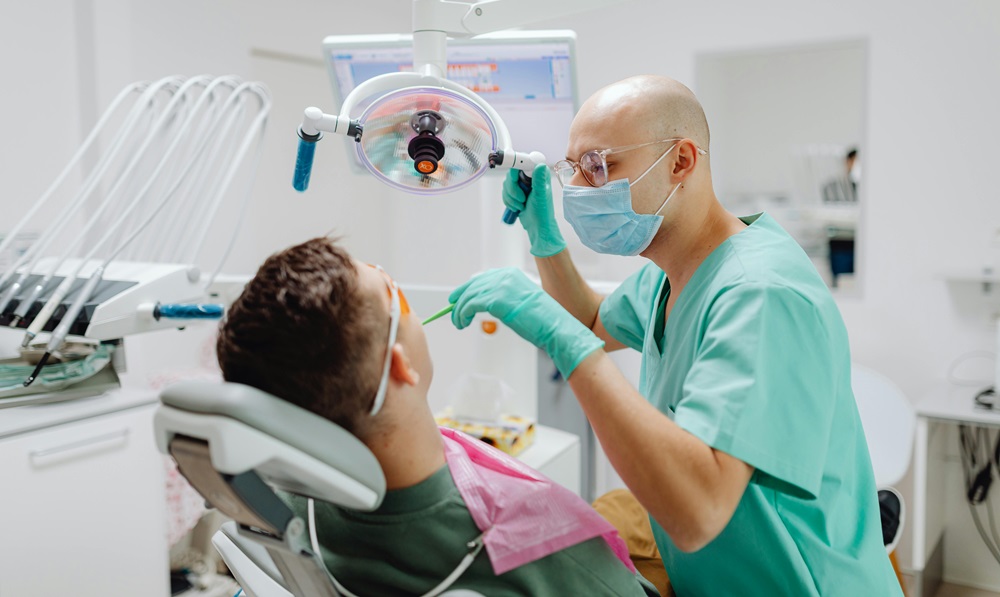
Yes, oral sedatives like triazolam or diazepam can be taken 30-60 minutes before your appointment to reduce baseline anxiety. Combined with nitrous oxide mask dental sedation, this creates a stronger calming effect.
Your dentist prescribes these medications based on your medical history and anxiety level. The combination works better than either method alone for about 80% of highly anxious patients. You’ll need someone to drive you home since the effects last several hours.
Over-the-counter options like hydroxyzine (Vistaril) also help some people. Talk to your dentist or doctor about whether this makes sense for your situation. Never take sedatives without medical supervision, as they can interact with other medications.
Some patients use CBD oil or natural supplements, but research on their effectiveness remains limited. Stick with proven methods that your healthcare provider recommends.
Can children use alternative nitrous oxide delivery methods?
Yes, children can use nasal cannulas if they’re anxious about masks. Pediatric dentists often prefer cannulas for kids under seven because they’re less intimidating.
The key with children is making the experience feel normal rather than scary. Some dentists call the nitrous oxide “silly air” or “magic breathing” to reframe it positively. Letting kids hold and explore the equipment before use reduces fear significantly.
How long does it take to adjust to the mask sensation?
Most people adjust within two to three minutes of wearing the mask. Your initial discomfort typically peaks in the first 30-60 seconds, then decreases as the nitrous oxide starts working.
If you’re still feeling panicked after five minutes, tell your dentist. You might need a different delivery method or additional support.
Does the mask smell affect claustrophobic feelings?
The mask itself shouldn’t smell, but nitrous oxide has a slightly sweet odor that some people find unpleasant. This smell can add to feelings of being overwhelmed.
Some dental offices offer scented nose pieces with lavender or mint to mask the gas smell. Ask if this option is available at your clinic.
Can you use headphones or music during treatment?
Yes, headphones help distract you from the mask sensation. Music, podcasts, or guided meditations give your brain something else to focus on besides the equipment on your face.
Studies show that music reduces dental anxiety by 25-30% on average. Choose something calming rather than upbeat, as slower tempos help regulate your breathing and heart rate.
What happens if you can’t tolerate any nitrous oxide delivery method?
If you can’t tolerate nitrous oxide in any form, you have other sedation options.
Oral conscious sedation, IV sedation, or general anesthesia can work for patients with severe anxiety or claustrophobia.
Talk to your dentist about these alternatives. They’re more expensive and require more preparation, but they ensure you can get necessary dental care without trauma.
Your mental health matters as much as your dental health, and good providers understand this balance.
Managing claustrophobia with a nitrous oxide mask dental procedure doesn’t mean you’re weak or difficult. Your anxiety is real, and addressing it makes your dental care safer and more effective.
Whether you choose a nasal cannula, practice breathing techniques, or combine methods, you can find an approach that works for your specific needs.