Finding the right kids dental clinic near me can feel overwhelming, especially when your child’s oral health is at stake.
You want a place where your little one feels safe and receives top-notch care.
But how do you know if a clinic meets these standards during that crucial first visit?
Research shows that 32% of children aged 2-11 have cavities in their primary teeth, making quality pediatric dental care essential.
Spotting warning signs early can save you from poor treatment and help you find a clinic that truly cares about your child’s wellbeing.
What Should You Notice About the Clinic’s Cleanliness?
Cleanliness isn’t negotiable in any medical setting, especially where children are involved.
You should see staff washing their hands between patients and wearing fresh gloves for each child.
Dental instruments must be sterilized and stored in sealed packages that are opened in front of you. If you notice reused items that should be disposable or dirty surfaces, that’s a major red flag.
The waiting area should be clean and well-maintained. Toys and books should look sanitized, not sticky or worn down. A clinic that can’t keep its public areas clean probably struggles with sterilization procedures too.
How Does the Staff Interact with Children?
The way dental professionals treat your child tells you everything about their experience and training.
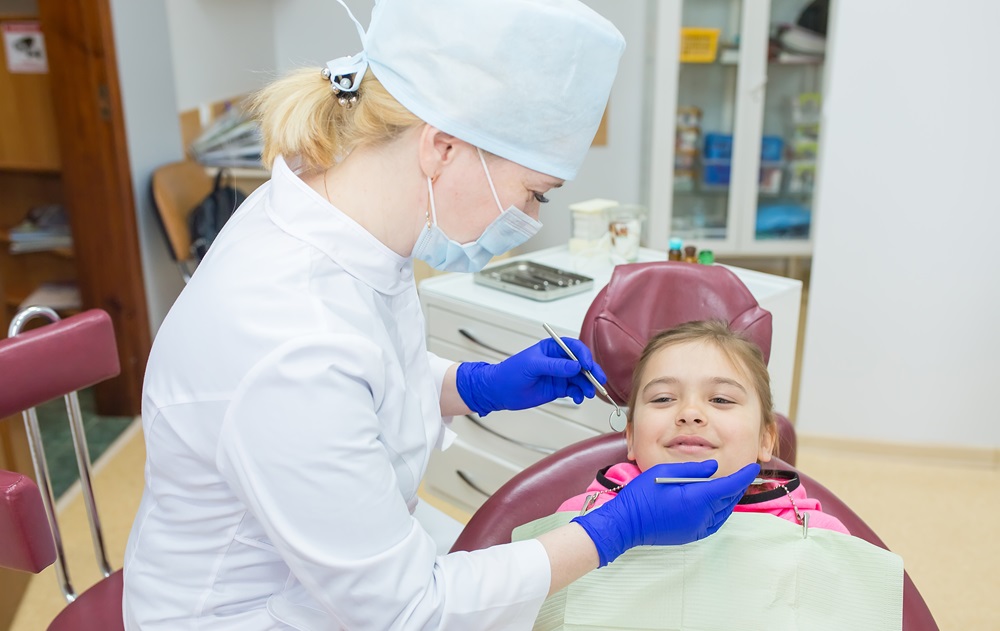
Good pediatric dentists speak directly to children, not just to parents. They explain procedures in age-appropriate language and show patience when kids feel scared or anxious.
Staff should be trained specifically in pediatric dentistry, not just general dentistry.
Watch for dismissive behavior or rushing through explanations. If a dentist seems annoyed by your child’s questions or fears, find another clinic.
Studies indicate that positive early dental experiences significantly impact a child’s lifelong oral health habits.
| Positive Signs | Warning Signs |
| Patient explanations | Rushing through procedures |
| Child-friendly language | Speaking only to parents |
| Specialized pediatric training | General dentistry approach |
| Calming techniques | Dismissive of fears |
What Equipment and Technology Red Flags Exist?
Modern dental equipment isn’t just about having the latest gadgets—it’s about safety and effectiveness.
You should see digital X-ray machines rather than old film-based systems. Digital X-rays reduce radiation exposure by up to 80% compared to traditional methods. Equipment should look well-maintained and up-to-date, not rusty or makeshift.
Be cautious if the clinic lacks basic safety equipment like lead aprons for X-rays or if they can’t explain their sterilization process. Outdated equipment often means outdated safety protocols too.
How Transparent Are They About Costs and Treatment Plans?
Financial transparency shows professionalism and respect for families.
A reputable clinic provides clear cost estimates upfront and explains what insurance covers. They should give you written treatment plans and never pressure you into expensive procedures during the first visit.
Watch out for clinics that won’t discuss costs until after treatment or those that push unnecessary procedures. Pediatric dental emergencies are rare, so be suspicious if everything seems urgent and expensive.
Does the Clinic Follow Proper Safety Protocols?
Safety protocols protect your child from infections and injuries during treatment.
You should see proper waste disposal systems for medical waste and sharps containers that aren’t overflowing. Staff should follow universal precautions, treating every patient as potentially infectious.
Ask about their emergency procedures. A professional clinic has plans for medical emergencies and staff trained in pediatric first aid. If they seem unprepared or evasive about safety questions, that’s concerning.
What About Communication and Follow-up Care?
Good pediatric dental clinics maintain ongoing relationships with families.
They should schedule follow-up appointments appropriately and provide clear aftercare instructions.
You should receive reminders about upcoming visits and have access to staff for questions between appointments.
Poor communication includes not returning calls promptly, unclear aftercare instructions, or being difficult to reach for urgent concerns.
Quality pediatric dental care involves building trust through consistent, reliable communication.
Choosing the right dental clinic for your child requires careful observation during that first visit. Trust your instincts—if something feels wrong, it probably is.
Your child deserves a kids dental clinic near me that prioritizes safety, comfort, and quality care above all else.
Frequently Asked Questions
What cleanliness signs should parents look for during the first visit?
Ans: Staff should wash hands between patients, use fresh gloves, open sterilized instruments in front of you, and maintain a clean waiting area.
How should dental staff interact with children?
Ans: They should speak directly to children, use age-appropriate language, show patience, and demonstrate specialized pediatric training and calming techniques.
What equipment red flags should parents watch for?
Ans: Outdated film X-rays, lack of lead aprons, poorly maintained tools, or unclear sterilization processes may indicate safety and technology concerns.
Why is cost transparency important at the first visit?
Ans: Reputable clinics provide written treatment plans, clear cost estimates, explain insurance coverage, and avoid pressuring families into unnecessary procedures.
What communication practices show a quality clinic?
Ans: Good clinics provide aftercare instructions, schedule follow-ups properly, send reminders, and remain accessible for questions or urgent concerns.